
Village visit
Wooden houses and farms
Walk through a traditional Tujia village with wooden houses, terraced fields, and quiet lanes.
The Tujia and Miao people of the Wuling mountains
Beyond the viewpoints, Zhangjiajie is home to Tujia and Miao communities. Visit a village, eat a village feast, and see the mountain life that shaped the culture here.
At a glance
Zhangjiajie sits in the Wuling mountain region of Hunan, home to Tujia and Miao ethnic groups. Their villages, markets, food, and crafts offer a slower, more human side of the trip beyond the park viewpoints.
The Avatar mountains get the headlines, but the Wuling mountains have been lived in for centuries. The Tujia and Miao people farm the valleys, tend wooden villages, and keep traditions — from handwoven textiles to sour pickled vegetables — that make this region distinct from mainstream China.
A village visit or market stop is the best way to break up days of hiking. It is also where you will find the most authentic food: cured pork, sour fish soup, and spicy pickled dishes served in communal meals.
Five ways to experience local life.
Wooden houses and farms
Walk through a traditional Tujia village with wooden houses, terraced fields, and quiet lanes.

Weaving and embroidery
Watch local women weave traditional cloth and embroider patterns passed down for generations.
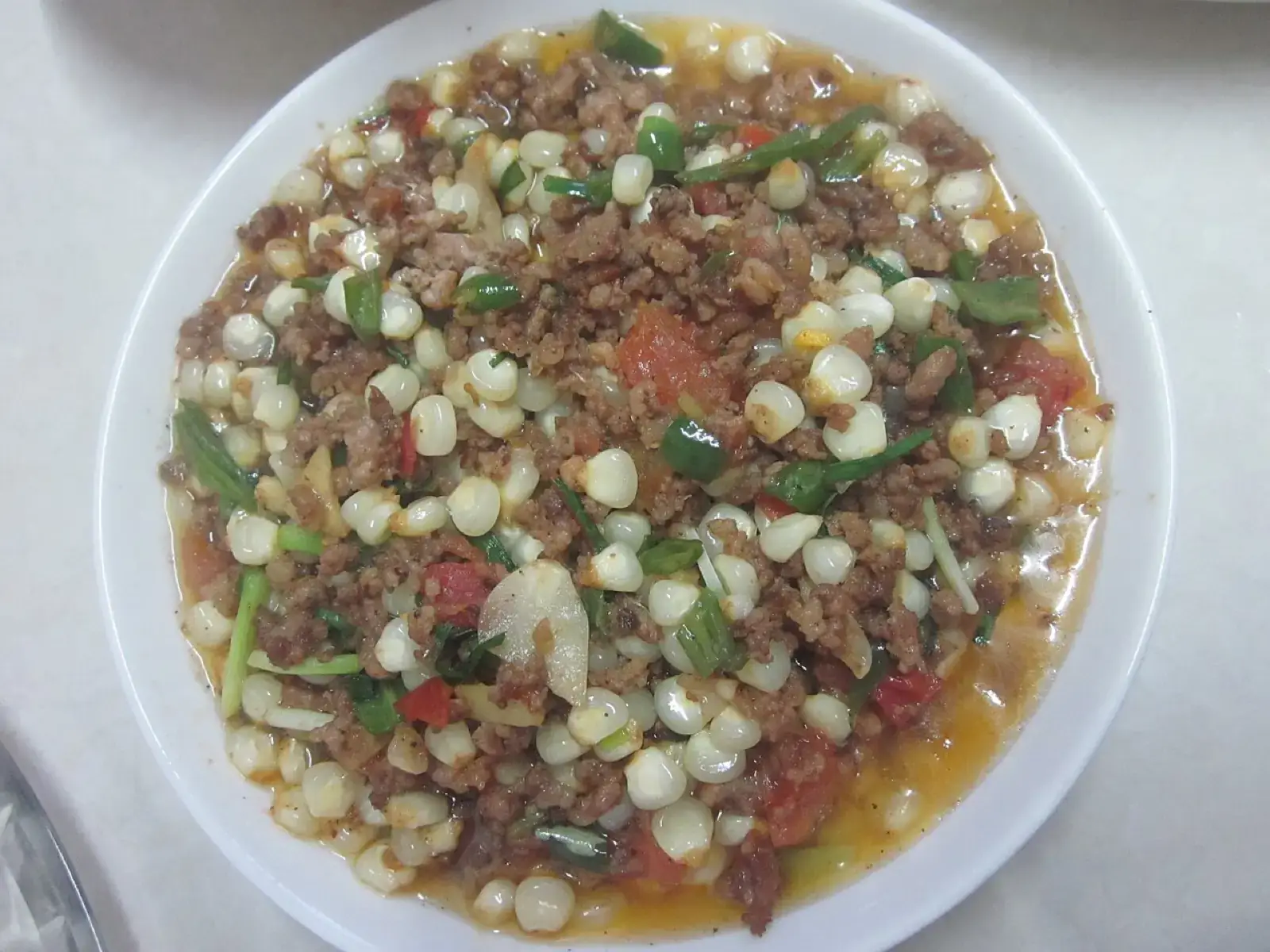
Communal dining
Eat cured meats, sour vegetables, and mountain rice in a long-table feast.

Morning markets
Visit a morning market for fresh produce, spices, and street snacks.
Two ways to explore local culture.
3–4 hours · village + meal
Morning market start at a local market near Wulingyuan.
Village walk visit a Tujia village with wooden houses and farms.
Craft demo see weaving or embroidery, with a chance to buy directly.
Village lunch share a communal meal with local dishes.
2–3 hours · no guide needed
Rent a bike or taxi head to a village within 15 minutes of Wulingyuan.
Wander the lanes explore wooden houses, fields, and small temples.
Local eatery stop at a village restaurant for rice noodles or a small meal.
Return taxi or bike back to your hotel.
Apr – Jun
Green fields, mild weather.
Sep – Nov
Harvest season, festivals.
Morning
Markets are liveliest early.
Village visits are year-round. Festivals such as Tujia New Year add extra color but require planning.
Hire a local guide
A guide helps with language and connects you with families for meals and craft demos.
Ask before photographing
People are generally friendly, but ask permission before taking close-up portraits.
Try the sour dishes
Sour fish soup, pickled vegetables, and cured pork are Tujia specialties.
Bring cash
Small village shops and markets rarely accept cards.
Stay near Wulingyuan
Villages and markets are easiest to reach from a Wulingyuan base.
From Wulingyuan Villages are 10–20 minutes by taxi or e-bike from the town center.
From Zhangjiajie city Allow 40–60 minutes by private car or taxi.
Guided tour Many guides offer half-day village tours with transport and a meal.
Public transport Limited. Taxis or hotel transport are more reliable.
| Item | Detail |
|---|---|
| Village visit | Usually free; some charge ¥10–¥30 donation |
| Guided half-day tour | ¥200–¥400 per person including transport |
| Village meal | ¥60–¥120 per person |
| Handicrafts | Prices vary; buy directly from makers |
| Best time | Morning; Apr–Jun, Sep–Nov |
Prices are reference values for international visitors and may change by season or operator. Confirm before booking.
Gallery


Good to know
The Tujia and Miao are two of China's officially recognized ethnic minorities. They have lived in the Wuling mountain region of Hunan for centuries and have distinct languages, music, textiles, and food traditions.
Yes, several villages near Wulingyuan welcome visitors. Some are more tourist-oriented than others. A local guide can help you find a quieter, more authentic village.
Try sour fish soup, cured pork, pickled vegetables, and hand-pounded rice cakes. Village meals are usually served communally and are spicy.
A guide helps, but basic gestures and a smile go a long way. Younger villagers may speak some Mandarin, but older residents often speak Tujia dialect.
Always ask before taking close-up portraits. Most people are friendly, but some may prefer not to be photographed.
A half-day guided village tour with transport and a meal typically costs ¥200–¥400 per person. Self-guided visits are much cheaper, with meals around ¥60–¥120.
More to explore